Teams working with sport psychologists and CMPCs (Certified Mental Performance Consultants) should focus on developing systematic interventions that strengthen role ownership, performance readiness, emotional regulation, unit security and communication. The 5 strategies organizations need to use to build on these foundations for team cohesion include using a data-driven assessment, in-person observation, team cohesion system design, team cohesion system implementation, and then re-testing performance data. This article goes into detail exploring the evidence-based approaches behind this step-by-step process and explores an Ibex Tactics case study involving our observations aboard the USS Nimitz aircraft carrier.
published on 3/27/26, written by Benjamin Foodman, CMPC, LCSW, CSCS & Alex Bolowich, CMPC, MS
About The Authors
Ibex Tactics, LLC was founded by Alex Bolowich & Ben Foodman. Ibex Tactics LLC is dedicated to providing data-driven sport psychology solutions to help corporate & sports teams build resilient cultures & leaders. Before starting the company, Alex and Ben were working with athletes & teams on an individual basis, helping them improve their psychological performance using evidence-informed, mental skills training approaches. They have extensive experience working with athletes and teams competing in the NFL, NBA, MLB, NASCAR, IMSA, INDYCAR, MLS, as well as the SEC & ACC. Their work has been published in peer-reviewed articles such as the Association for Applied Sport Psychology (AASP) & the National Strength & Conditioning Association (NSCA). They have advanced training in exercise science, psychotherapy, motor learning, sport psychology and they are both Certified Mental Performance Consultants (CMPC) through AASP. They are based in Charlotte, North Carolina but work with organizations throughout the Carolinas and the United States.
Table Of Contents
How do elite teams use data-driven, sport psychology assessments to enhance team cohesion?
Why Do Sport Psychologists Use In-Person Observation to Diagnose Team Cohesion Breakdowns?
How Do High-Performance Coaches Build a Measurable Team Cohesion System?
Why Should Coaches Retest Their Team Cohesion Data After Every Sport Psychology Intervention?
What are the characteristics of Team Cohesion?
According to research published in the Journal for Applied Sport Psychology along with our applied experience working with professional sports teams and tactical athlete populations, the key characteristics of team cohesion are role ownership, performance readiness, emotional regulation, unit security and communication.
Communication - The reason communication gets so much airtime in organizational literature is that it's the most visible symptom of almost every other cohesion problem. When a team is breaking down, the first thing leaders reach for is a communication intervention — new meeting structures, feedback frameworks, team charters. That instinct isn't wrong, but sport psychologists are just repackaging the same techniques attempting to fix this, with no new results to show for it.
Most communication breakdowns aren't communication problems at all. They're downstream consequences of low security, unclear role ownership, or dysregulated emotional states that never got addressed.
You can train all the feedback protocols you want on top of a team that doesn't feel safe being honest with each other, and nothing will change. What makes communication training distinct is that it represents behaviors that make communication functional under pressure.
There's a crucial difference between a team that communicates well when things are going fine and a team that communicates well when things are hard.
The behaviors that matter most — asking follow-up questions before assuming, reading body language accurately, having a recovery mechanism when communication breaks down — are skills that have to be deliberately trained, not organizational structures that can be installed from the top down. They live in the individual, not the system.
Unit Security - Genuine unit security requires vulnerability, consistency, and patience that produce no visible tactical output. You can't point to unit security on film. You can't put it in a press release. It feels foundational in a way that makes leaders uncomfortable because it doesn't look like work. The central insight here — is that belonging doesn't require liking.
A team where athletes genuinely dislike each other can still have high unit security if there is mutual respect for each other's contribution and a shared understanding that mistakes won't be weaponized. That's unit security. It's not warmth. It's something harder and more durable than warmth.
Polyvagal science is essential here, and it's what separates this from motivational poster territory (we will cover this further down in the article). The fear of social rejection activates the same threat response as physical danger.
When an athlete is monitoring their coach's body language for approval signals during competition, they are not doing that by choice — their nervous system has allocated cognitive resources to threat detection because the environment has trained it to.
The performance cost of that threat response is not a willpower problem. It's a biological problem. Leaders who understand this stop asking, "why won't they just focus" and start creating environments that promote optimal unit security.
Role Ownership - The word "ownership" in this pillar is doing significant work, and it's worth unpacking why it's not called role clarity. Clarity is cognitive — it describes whether someone knows what they're supposed to do. Ownership is emotional — it describes whether someone has genuinely claimed that function as their own and committed to executing it fully regardless of whether it's the role they wanted. That gap between knowing and owning is where a remarkable amount of cohesion breaks down, and it's almost entirely invisible to leaders who are focused on structural questions.
For example, the wide receiver who halfheartedly blocks on a screen pass knows exactly what his role is. His role clarity is perfect. His role ownership is zero. And the performance consequence of that emotional noncommitment — a missed block that springs a two-yard loss instead of a ten-yard gain — doesn't show up in any way that traces back to his resentment.
It just looks like a missed assignment. The coaching response is to emphasize the assignment again, which doesn't address the actual problem at all. This pillar also surfaces one of the most underappreciated dynamics in sports organizations, which is the difference between role ownership and role appreciation.
That asymmetry — visible roles getting recognition, invisible roles getting silence — quietly poisons the belonging of everyone doing work that doesn't show up in highlights. Role ownership without role appreciation produces a team of parallel performers rather than a genuine unit.
Emotional Regulation - The dominant cultural narrative in competitive sports is that emotion is either fuel or interference — you either harness it or you control it. What our framework argues, and what the polyvagal research supports, is that this framing misses the mechanism entirely. The question isn't whether athletes feel emotion under pressure. They always will, and they should. The question is whether their nervous systems have been trained to channel that activation productively rather than allowing it to fragment attention, disrupt coordination, and poison the social environment.
Emotional dysregulation doesn't look the same on every team. For some teams it looks like silence — athletes performing carefully because the environment punishes visible emotional expression, burning out quietly over the course of a season because there is no mechanism for collective processing.
On other teams, it looks like explosive misdirection — teammates calling each other out publicly, coaches humiliating athletes after mistakes, referees getting screamed at, the emotional charge of competition converting to interpersonal conflict rather than competitive energy.
Performance Readiness - The gap between what elite preparation actually requires and what most athletes believe adequate preparation looks like is wide, persistent, and almost never surfaced by any tool or conversation in the typical sports organization. The false satisfaction problem is the key insight here and it deserves prominent real estate in this discussion.
Athletes who believe they've prepared enough without understanding what the performance standard actually demands are not lazy. They're uninformed. And in many cases, they've been conditioned to be uninformed — because they've spent their entire athletic careers being told where to go, what to do, and when to do it, without ever being asked to develop a self-directed preparation philosophy.
They became excellent at executing instructions and never had to think about what it means to be the architect of their own readiness. Performance readiness isn't just an athlete problem. It's a leadership problem.
The contingency planning question — does every member of this organization know exactly what their responsibilities are if something unexpected happens during competition — is a proxy for how seriously the organization has thought through its own preparation architecture.
Teams that have built contingency protocols have leaders who take preparation as seriously as they take tactics. Teams that wing it have leaders who believe preparation is something you do to athletes rather than something the entire organization embodies together.
How do elite teams use data-driven, sport psychology assessments to enhance team cohesion?
The truly innovative, high-performance teams commit to a singular data point to measure, make sure that the data point is oversimplified in its’ definition, and then funnel all resources towards collecting information needed to measure the progress towards understanding and conceptualizing that data point. Research presented in the Journal for Applied Sport Psychology suggests that when too many data points are introduced, too many confounds can arise preventing clarity on direction and understanding.
Part of the reason this is especially true when we are discussing the assessment of the collective psychology of an entire organization, is that there are too many data points that can enhance team cohesion. For example, when leaders identify a collective issue around performance (e.g. the team is collapsing in high-pressure situations and athletes are not taking accountability in their responsibilities), they will usually bring in a low-impact organizational psychologist or sport psychologist that uses another low-impact tool like a SWOT Analysis. In an article published in the Journal of International Social Research, the authors cite extensive research about the limitations of using this approach:
Criticisms of the SWOT analysis include that it is not effective enough as a part of organizational strategy, it cannot go beyond making a definition regarding the current situation, and for this reason, it should not be accepted as an analysis technique. According to Hill and Westbrook (1997) SWOT Analysis is a technique started to be used in 1960’s and expired long ago.
SWOT Analysis lacks comparison with competitors. The lack of a quantitative index to provide an operational criterion for benchmarking hinders the competitive analysis, especially in a highly interdependent setting to evaluate the size of competitive gaps, an organization needs to know the relevant performance levels of all its close competitors.
SWOT Analysis is rarely deployed at lower than the organization level. This is a risky situation that each strength and weakness is related to and equally important for all strategic business units and the products organization produces. This can even lead to wrong strategies for the entire organization.
Strengths may not lead to an advantage. An organization’s strengths and capabilities, no matter how unique or impressive, may not enable it to achieve competitive advantage in the marketplace.
We have found many of the criticisms listed above to be true in our experience. Based on our analysis, when trying to improve team cohesion, teams need to analyze the different components that are associated with organizational cohesion, use the data to generate a priority index, then funnel all attention & resources towards understanding the ‘why’ behind obstacle preventing team cohesion and then creating tailored approaches to deal with the issue. Once the intervention has been designed and administered, a post-test should be delivered to see if there is alignment on the issue. Below is an example of what our Ibex Tactics alignment pre-test, post-test should look like:
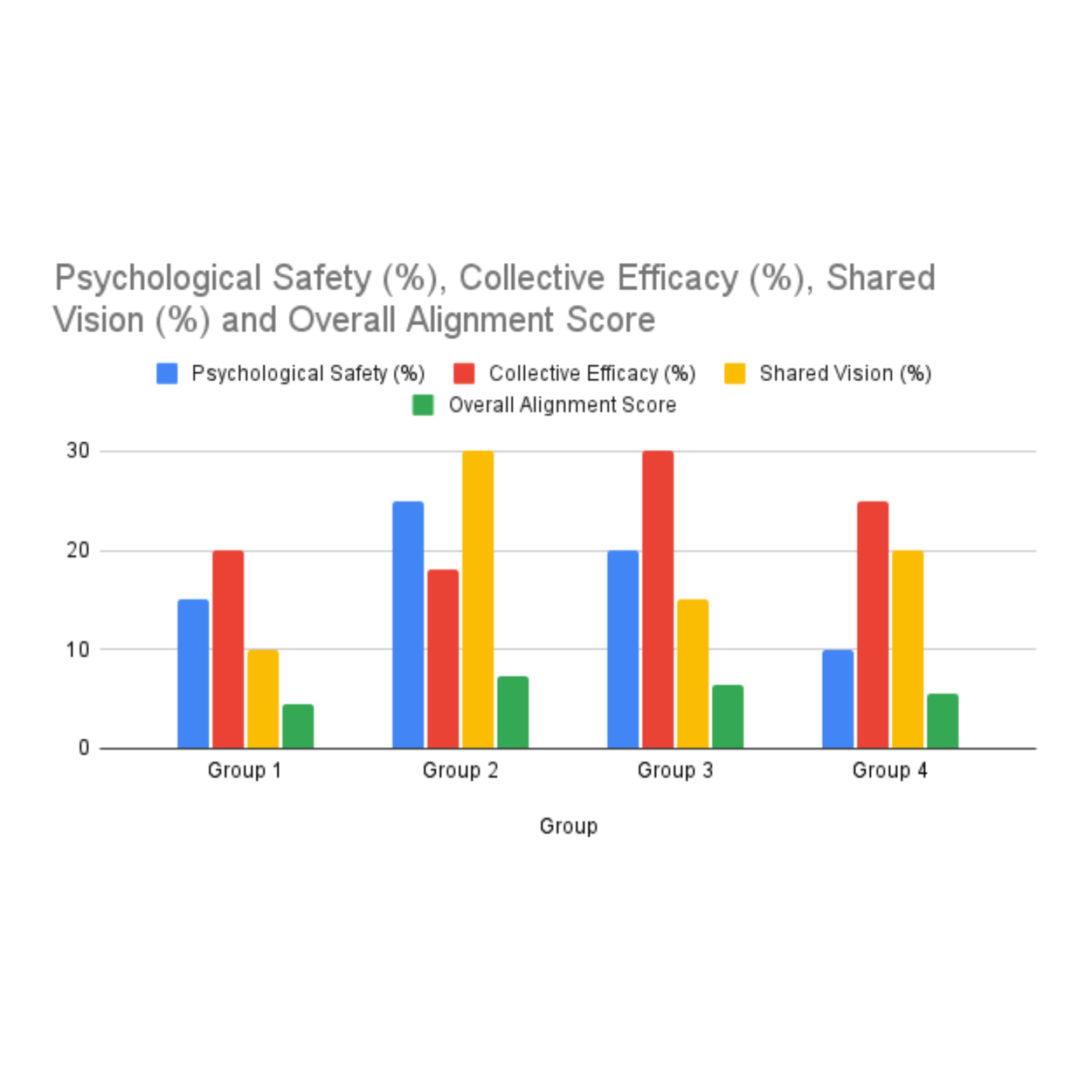
Pre-Test Team Cohesion Index
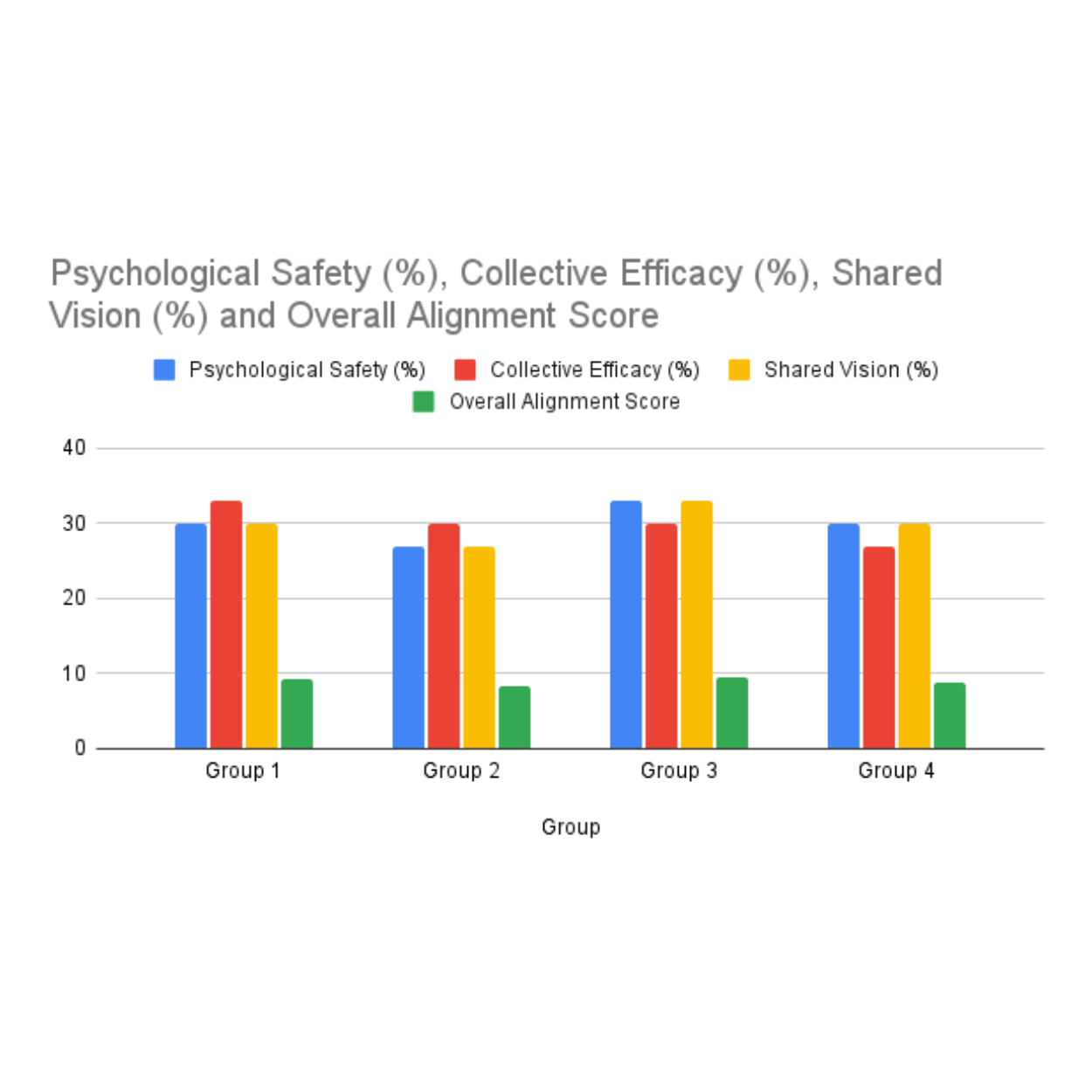
Post-Test Team Cohesion Index
There are a few additional considerations organizations need to consider when understanding the priority index, solution, and post-test. First, most organizational psychologists, sport psychologists and HR directors that administer standard assessments like the SWOT analysis only present the results but not necessarily customized solutions. The priority index triages the most important issue that is plaguing your organization from achieving cohesion and then informs the Ibex Tactics coaches what category of a solution is needed…which brings us to the next critical point. In our experience, the solution needs to be measured through on-the-field performance outcomes. To most people reading this, this may seem obvious. Unfortunately, most sport psychologists use vague terms to measure outcomes like ‘improved mental focus’ or ‘improved team communication’ but never attach their work to something like increased field goal percentages, or more rebounds. In summary, highly successful organizations use the following step by step approach to achieve team cohesion:
Conduct in-person discovery
Adminsister a team-cohesion assessment (e.g. the Ibex Tactics TCI)
Identify on-the-field performance metric associated with tier 1 problem
Analyze priority index and construct solution for tier 1 problem
Administer tier 1 solution initiative
Execute and cement in-person observation of tier 1 solution initiative
Retest with team-cohesion assessment
Measure progress towards on-the-field performance metric
Why Do Elite Sport Psychologists Use In-Person Observation to Diagnose Team Cohesion Breakdowns?
Quantitative data and to a certain extent, even qualitative only tell so much of the story. When relying exclusively on assessments, sport psychologists and CMPCs run the risk of basing their solutions off of data that is driven by social desirability bias. While more subjective, in-person observations help authenticate the results of cohesion assessments through the process of the sport psychologist observing nuanced social interactions (e.g. body language, facial expressions, tonality, etc.)
Unfortunately, one of the changes that is happening across the sport science landscape is that many professional and collegiate sports organizations are outsourcing their services to large healthcare companies to handle their athlete’s mental and physical performance needs. As a result, most of these sessions that are conducted with athletes are either virtually, and almost all information regarding performance decline is sent via third person information (e.g. email and text)…which means there is lag time between the time that the problem occurs until the solution is installed, usually missing important context. Even worse is the fact that most leaders in these organizations rarely (if ever) look at the macro-level problems or the social cohesion issues, all of which are upstream from individual performance setbacks.
However, organizations need to really be wary of moving online, focusing exclusively on dyadic interactions, and instead need to revert back to increasing resources into in-person observations of social interactions that influence team cohesion. For example, in an article published in the Harvard Business Review the authors provide empirical evidence supporting the use of behavioral reinforcement theory, which is a framework used to promote improved communication channels, most of which must be done in-person. Again, the only way one would be able to determine this effectively while identifying which communication strategies to implement would be through in-person observations. Elite sport psychologists and Certified Mental Performance Consultants (CMPC) understand this and heavily incorporate this mindset into their approach.
How Do High-Performance Coaches Build a Measurable Team Cohesion System?
Truly elite sport psychologists and Certified Mental Performance Consultants collaborate with coaches and first focus on identifying the most important on-the-field performance metric that needs to be improved. Once that is identified, they will then construct an evidence-based sport psychology intervention that is meant to directly improve the on-the-field performance metric. Finally, coaches and athletes fill out an accountability checklist as a system check to enforce compliance and regular use with the sport psychology intervention.
On paper this seems simple, but in the world of sport psychology this process rarely happens. This is because most sport psychologists and Certified Mental Performance Consultants (CMPC) that are embedded within an organization act more as case managers attempting to service all members individually and will only provide generalized workshops that are not tailored to the individual cultural needs of the team. Furthermore, leadership in sports organizations do not understand how unique training and education are required when trying to unify the individual psychological strengths into a single unit. When this is done correctly, the majority of individual deficits are improved downstream from this.
Team breakdowns are a byproduct of a lack of attention being placed on group social dynamics. Research discussed in the Harvard Business Review supports this position by articulating how teams that focus on integrating organization-wide, sport psychology interventions produce better outcomes that could otherwise never be addressed by exclusively focusing on individual needs. Therefore, high-performance coaches focus on using evidence-based, sport psychology interventions that are uniquely designed to address the collective needs. Just as important, they incorporate accountability checklists that ensure leadership and performers are regularly integrating these practices.
Why Should Coaches Retest Their Team Cohesion Data After Every Sport Psychology Intervention?
Expecting that every sport psychology intervention will universally work is unrealistic. Sport psychologists and Certified Mental Performance Consultants (CMPC) that are proficient at their job will retest the interventions to determine whether they need to pivot or maintain course with the same intervention. They should also measure on-the-field performance metrics to further authenticate the efficacy of the tool.
As previously discussed, after identifying what needs to be focused on through the data collected in the priority index, this allows mental performance specialists to more accurately select the intervention needed to achieve group cohesion and integrate the tool. Because teams invest time, resources and emotional capital into these tools, it is critical to retest the efficacy of the tool for several reasons:
Sometimes teams report that the tools are not effective, but the retest can show if it is a problem with the tool or rather the way it is being implemented and a new accountability method needs to be paired with the approach.
Retesting enhances the validity and efficacy of a tool that is being used on a regular basis and helping the team, which means that the tools can possibly be used in different team environments.
It is not uncommon for retest results to show improvement on the issue that has been worked on, but on -the-field performance has not improved or unexpected ones did. Retest results can spark important conversations around where to target a team’s efforts.
When implementing a retest, this can help teams determine if they should continue investing in the sport psychology intervention, or if they need to pivot their resources to a different approach.
Interestingly, there is also research that supports the outcome where mental performance of athletes improves when using a post-test intervention. Fo example, in the Journal for Applied Sport Psychology, researchers found that when using a post event reflection tool (a type of post-test), self-awareness amongst athletes improved, and coaches, athletes & sport psychologists were able to more effectively identify individual athlete and team patterns in mental skills and performance.
Case Study: What I Observed About Team Cohesion Aboard the USS Nimitz as an Invited Civilian Guest of the U.S. Navy
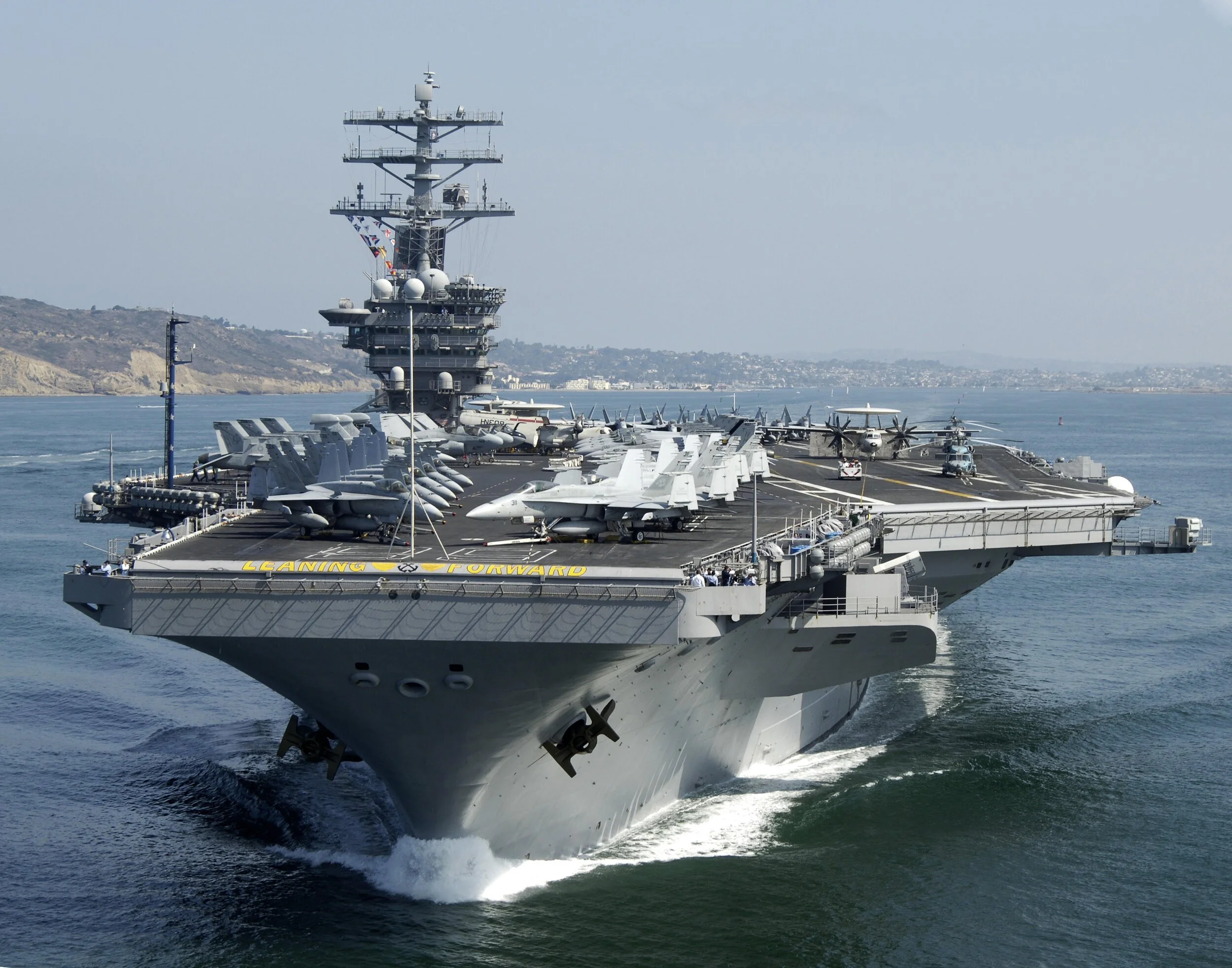
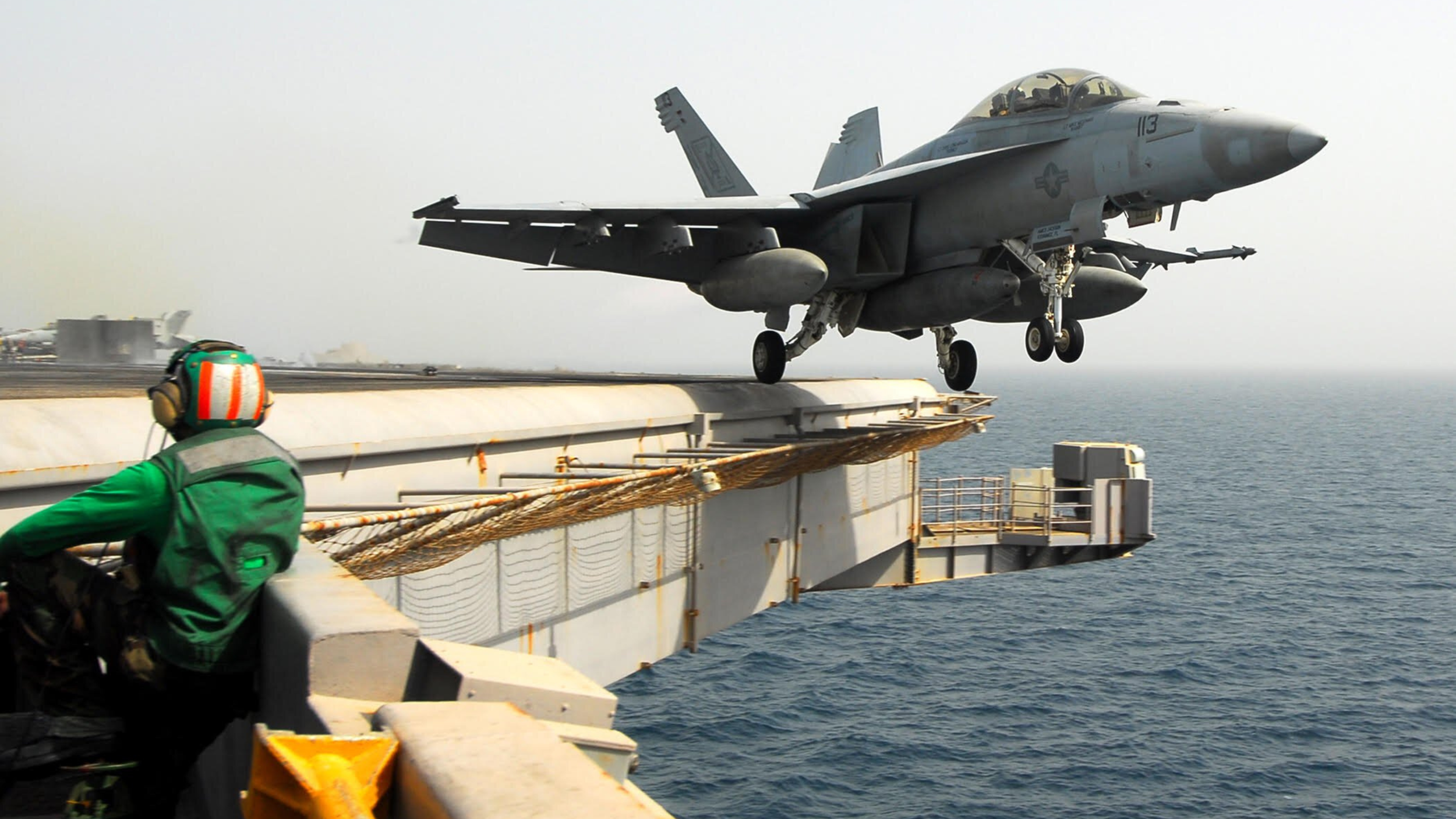
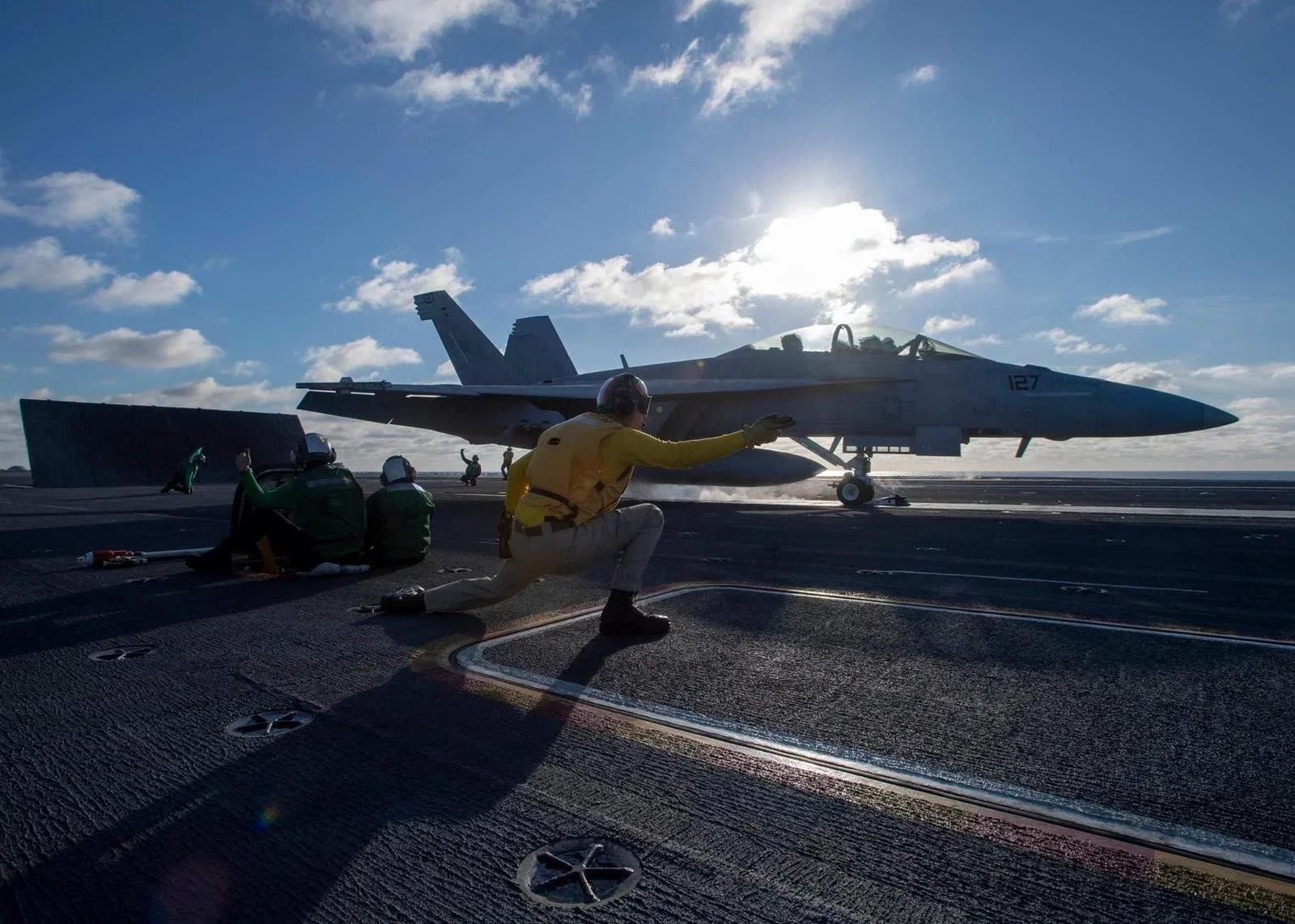
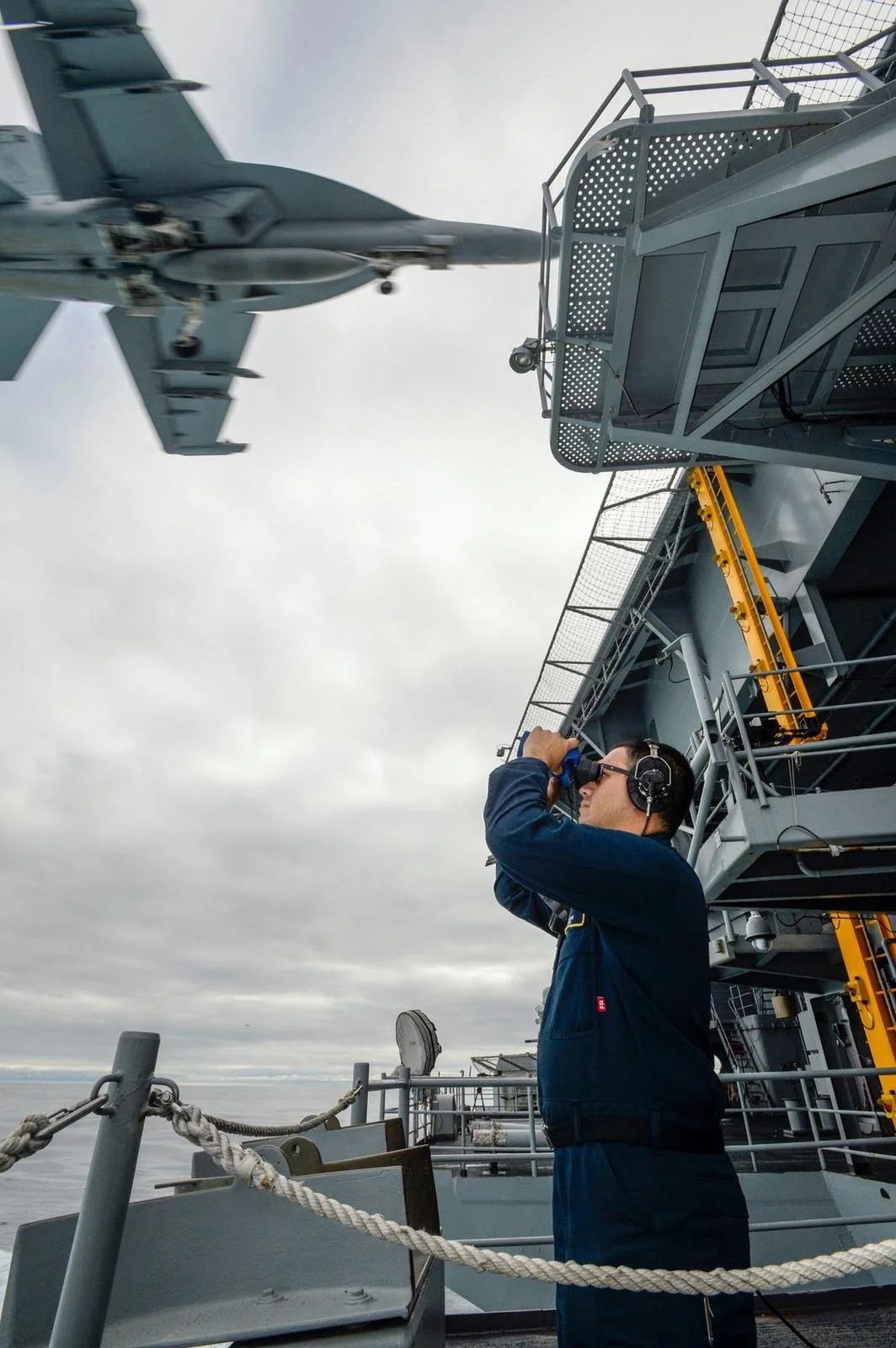
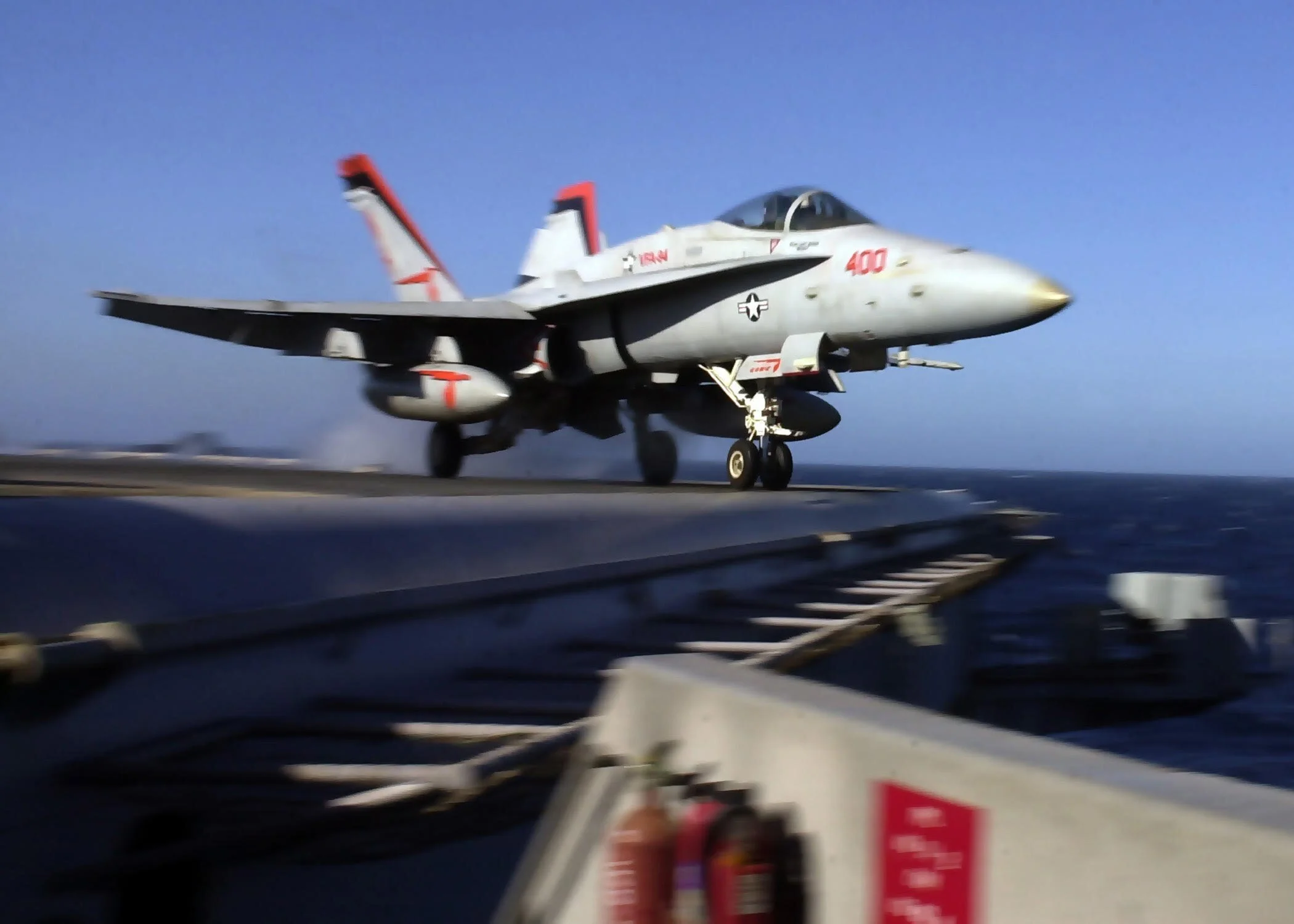
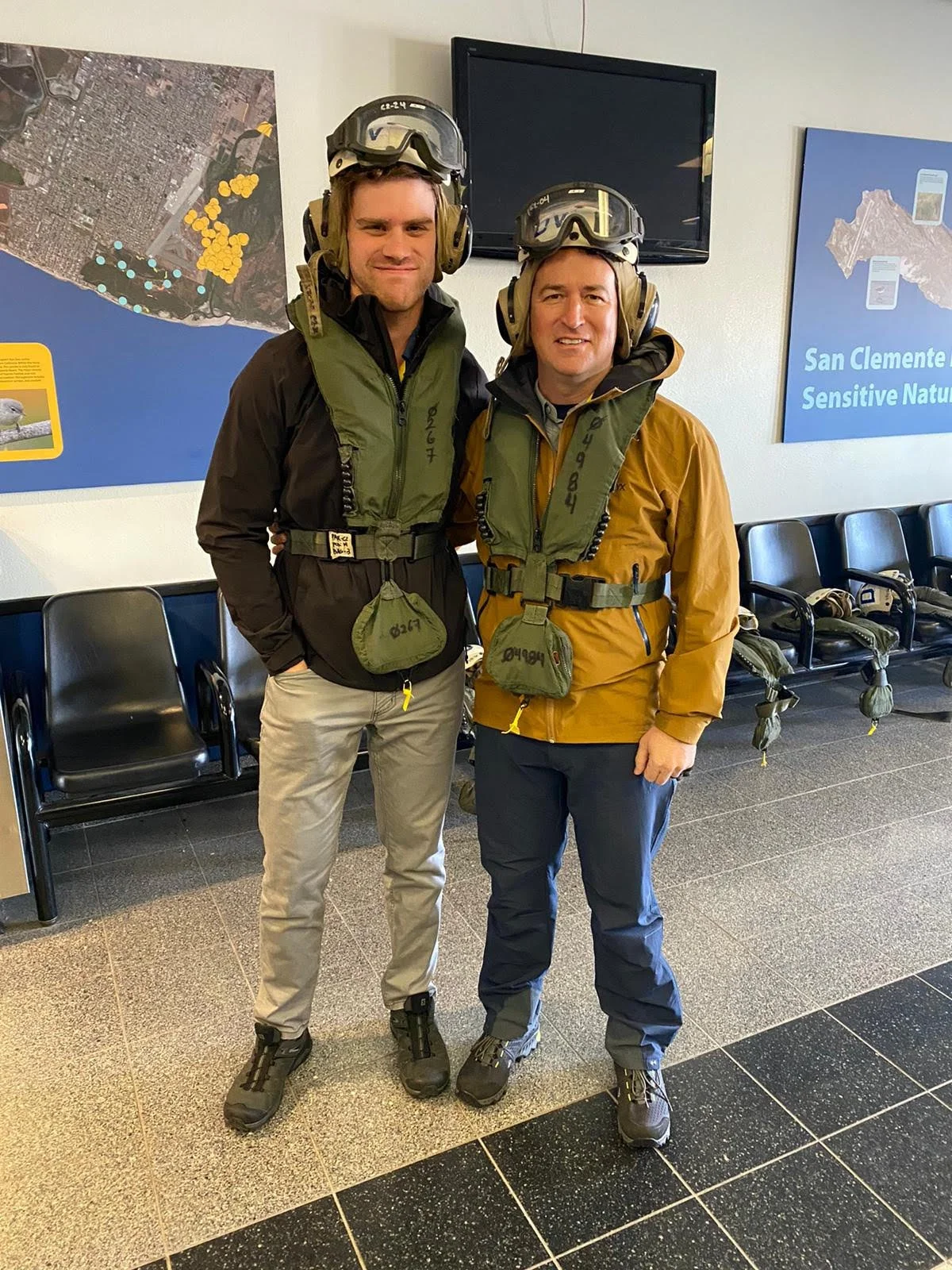
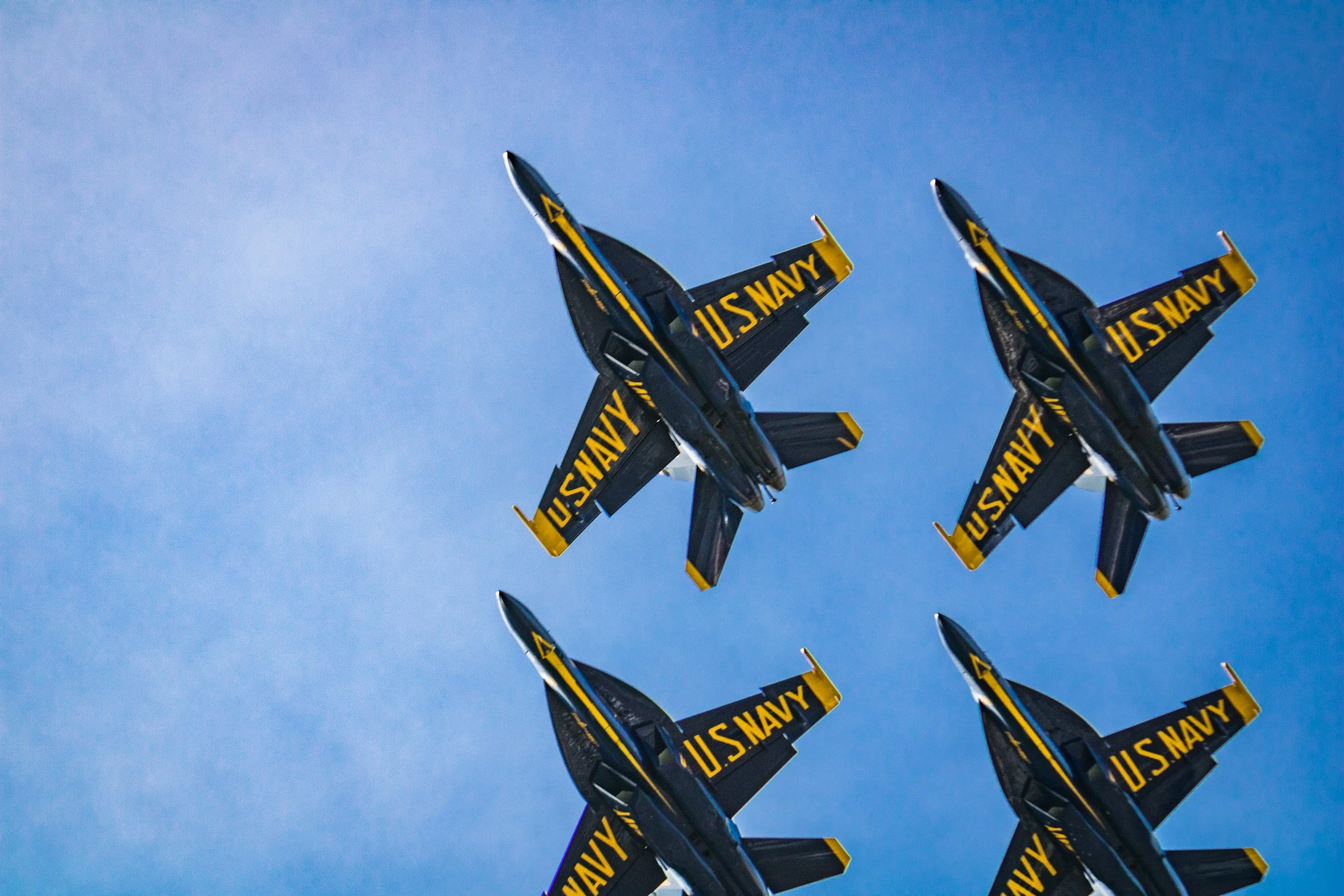
In January of 2020, I was afforded the rare opportunity to receive an invitation from the United States Navy to experience an arrested landing, observe ship-wide operations during pre-deployment aviation qualifications, and catapult launch aboard the USS Nimitz aircraft carrier. The flight deck of an aircraft carrier is one of the most dangerous places on the planet to work, and the process of getting aircraft on and off the flight deck is oftentimes referred to as controlled chaos. There were several key behaviors I noticed consistently throughout my observations of the carrier operations that are aligned with the strategies discussed in this article: In-person observation, highly effective communication, performance readiness check-ins, & high-quality unit security.
In-person-observation specialists - When we were observing the Naval aviators qualifying at night, we were introduced to civilian psychotherapists who were a part of the support staff to monitor the mental health conditions of the tactical athletes. In my discussions with them, they reported that watching the qualification process helped them better understand the nuances associated with high-pressure environments, and that critical data could be collected during those moments.
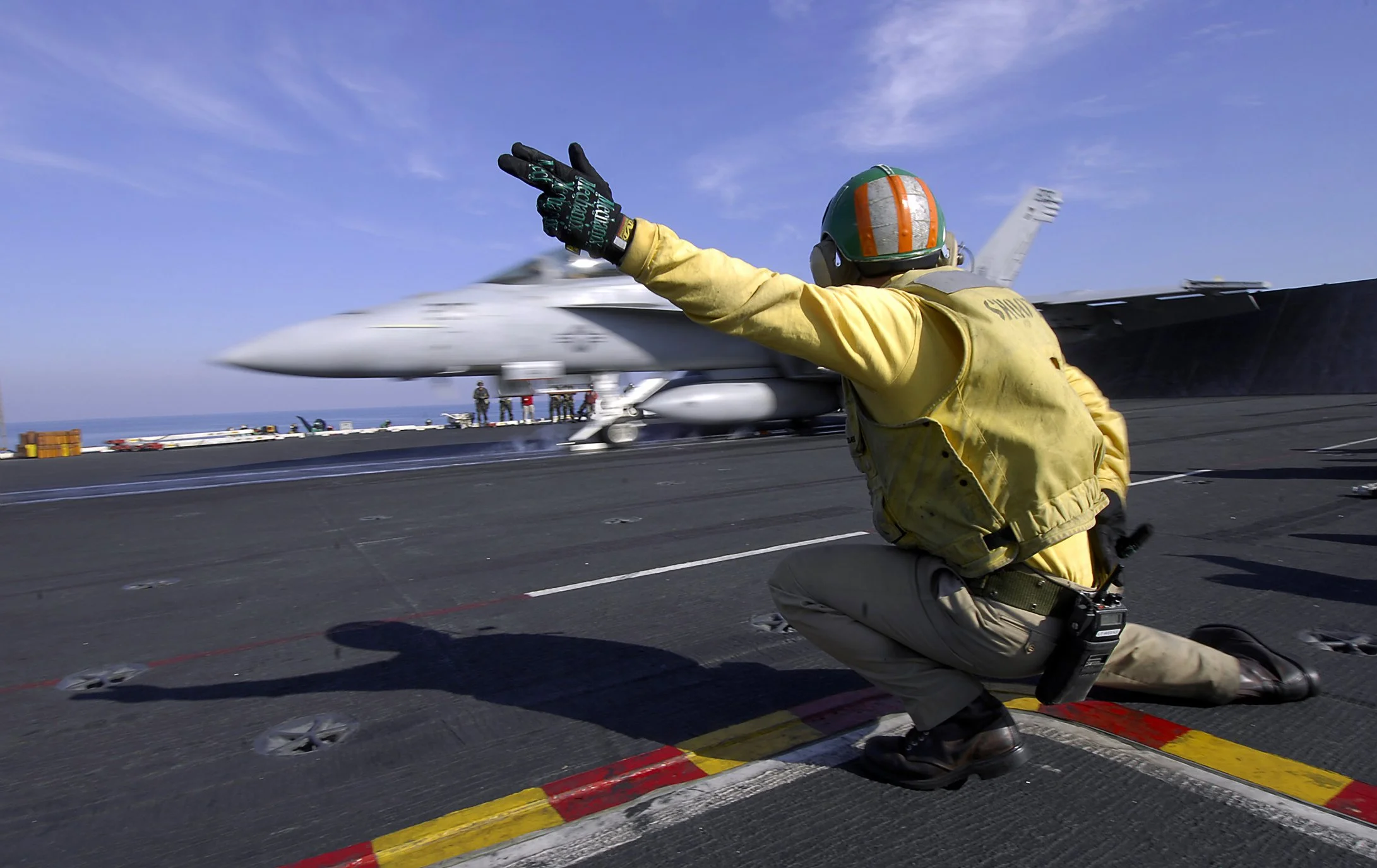
Communication is the king-maker - If communication between all members of the ship is inconsistent or faulty, people will literally die. With multiple aircraft landing and catapulting off simultaneously in hostile ocean conditions, it is imperative that everyone knows where everyone is. Upper echelon leadership needs to be aware of incoming aircraft, where flight deck crew are located during this process, where sailors are as it relates to their ship duties…all of this needs to be crisp to keep the airport at sea operational. High quality communication was a non-negotiable for the entire ship.
Performance readiness check-ins - In order to be combat effective, warfighters need to be assessed for the readiness to deploy. During our time aboard the Nimitz, we were afforded the privilege to watch aviators qualify for deployment. There were multiple tests that they needed to pass in order to fly aircraft with the Nimitz. These tests included landing at night, landing and touching off at night (AKA bolters), catapulting off and flying pre-determined courses, etc. Sports teams need to increase performance-readiness check-ins far more than they do in order to create better team cohesion.
Unit security on the flight deck - As previously mentioned, the flight deck of an aircraft carrier is one of the most dangerous places on the planet to work. With aircraft taxiing around the airway, steel cables retracting back into position to arrest landing aircraft, jet fuel permeating around the flight deck, hazardous weather conditions, it can be too easy for aircraft flight deck sailors to be injured or killed. As such, different flight deck sailors operate in different units and maintain strong unit security with individual unit responsibilities which helps with cohesion.
Frequently Asked Questions About Team Cohesion
-
Based on our applied experience and the sport psychology research, teams that choose to focus on developing advanced communication strategies and implementing them across the organization will stand to greatly benefit the most. There are many valuable interventions that are still worth programming into a team, but this is probably the top category to focus on.
-
We have found that on average it can take anywhere from 1-3 months to see measurable on-the-field results. Some of the reasons for this include needing to build rapport with the team to get ‘buy-in’ from leadership and individual athletes, and it can take time to create alignment on using the interventions. That being said, when the sport psychology system for team cohesion is in place, the performance outcomes are undeniable.
-
Team chemistry refers to the quality of working relationships amongst all members of the organization whereas team cohesion is how unified are all members during actual performance environments. Team chemistry is really a sub-component of team cohesion.
Why Should Coaches Stop Treating Team Cohesion as an Accident and Start Treating It as a Performance System?
Coaches and leaders understand the tactics, technical training requirements and performance demands of their sport. And while many coaches even possess advanced knowledge on psychological training, it can be too much additional work too also train the mental traits that are needed to enhance cohesion. Brining in sport psychologists or Certified Mental Performance Consultants (CMPC) who specialize in team cohesion strategies is critical towards achieving quantifiable, performance-optimized outcomes.
Professional & collegiate sport teams have recognized that because of the size and scope of their operation, they need to bring in essential support staff to accomplish their goals and meet their performance requirements. Over the years this has resulted in organizations bringing in assistant coaches, general managers, sports medicine staff (e.g. certified strength & conditioning specialists, athletic trainers, physical therapists, doctors, sport psychologists, CMPCs, etc.), and data & analytics experts. Sports teams didn’t just bring all of these people in at once; they added people over the years that they recognized were essential towards achieving their goals. Sport psychologists and CMPC experts who specialize in team cohesion are the next addition that will become a staple for all teams trying to outperform their competitors. As shown in our case study, organizations like the US Navy have recognized the value in optimizing this, and if it is good enough for the US Navy…it’s probably good enough for the rest of us. Whether explored in the Journal for Applied Sport Psychology or the Harvard Business Review, research in the efficacy of these resources consistently supports the need for this role and it’s time for teams to catch up!
Ready to implement these tactics? Book a consultation.
Do You Need Some High IMpact, Free Resources? Unlock our Premier A-5 Below!

Check Out Our Previous Journal Articles Below!